ivralo — 2026
ivralo
An on-prem agent that turns a production error into an evidence-backed pull request.
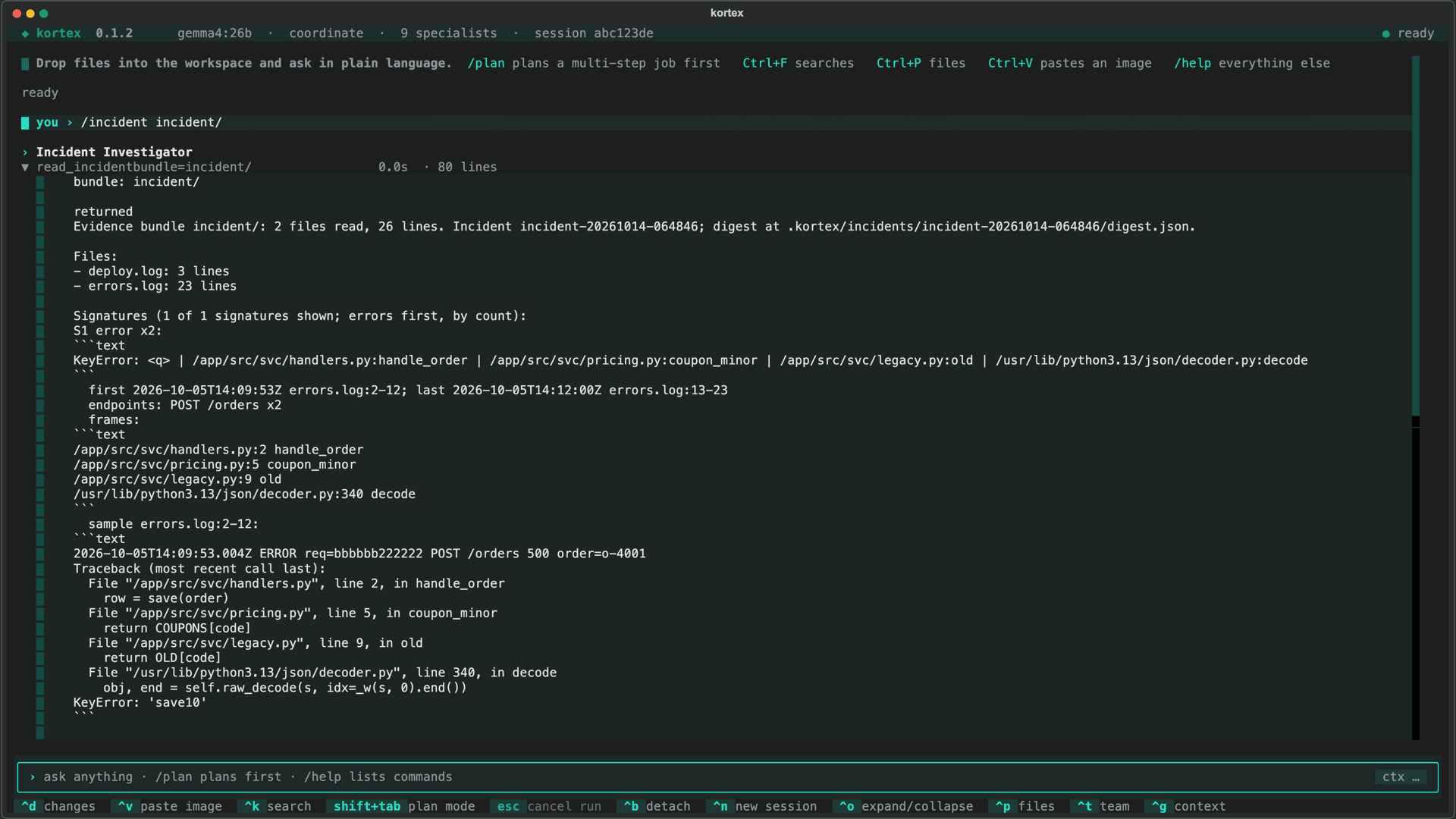
ACT I — THE PROBLEM
When production breaks at a bank or a defence contractor, someone still digs through the logs and the code by hand — the AI agents that could do it run on hosted models, and that code and those logs are not allowed to leave the network.
ACT II — THE SYSTEM
ivralo sits on a server inside the network. When an error hits the logs it gathers the evidence, traces the cause through the code, reproduces it as a test, writes the fix, runs the project's own checks and opens a draft PR on the internal Git host — then reports the error and the fix to the right people. It never merges or deploys, and every claim names its evidence.
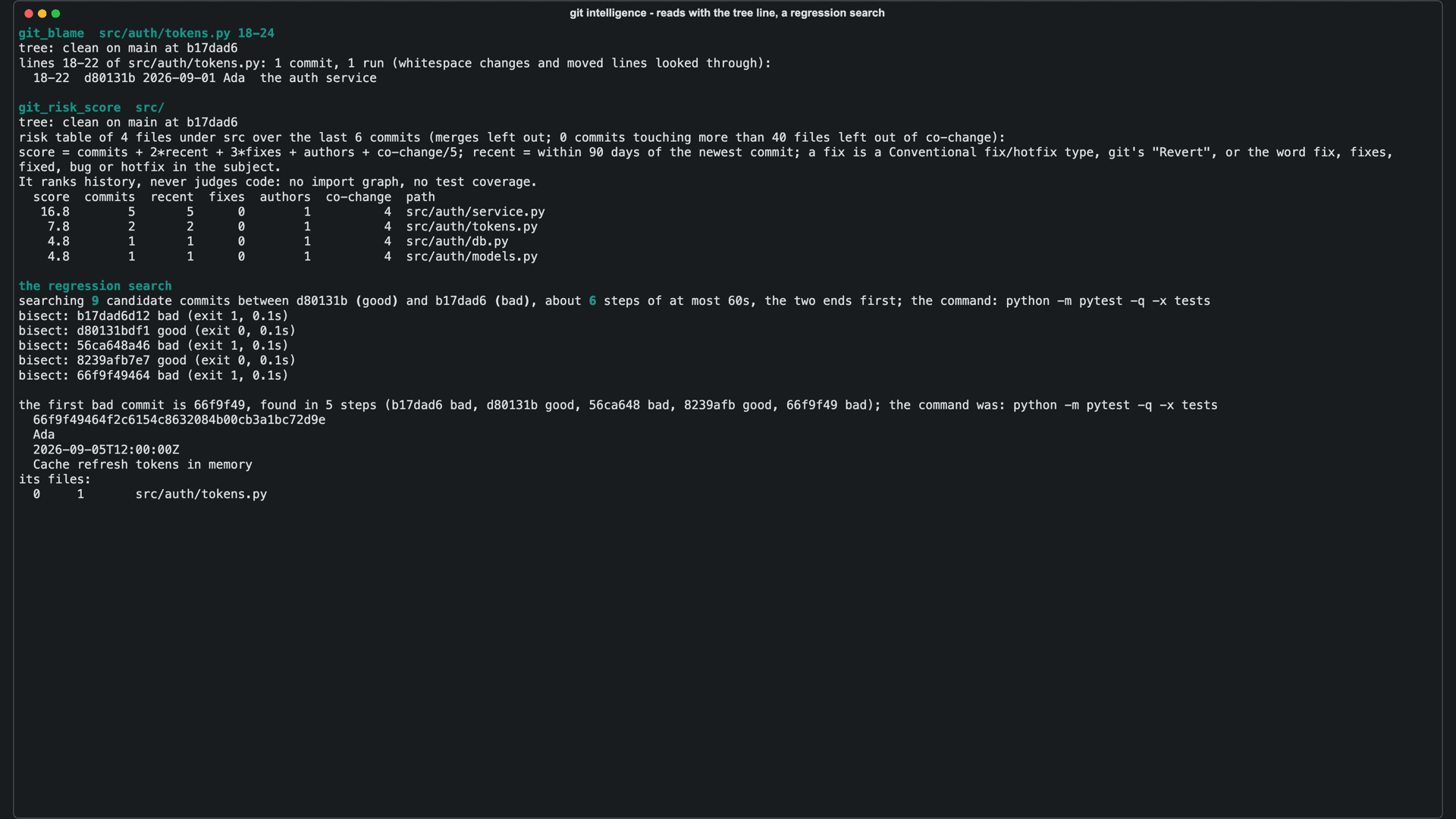
The causeA regression search bisects the history down to the commit that broke it, beside a risk table of the files around it. 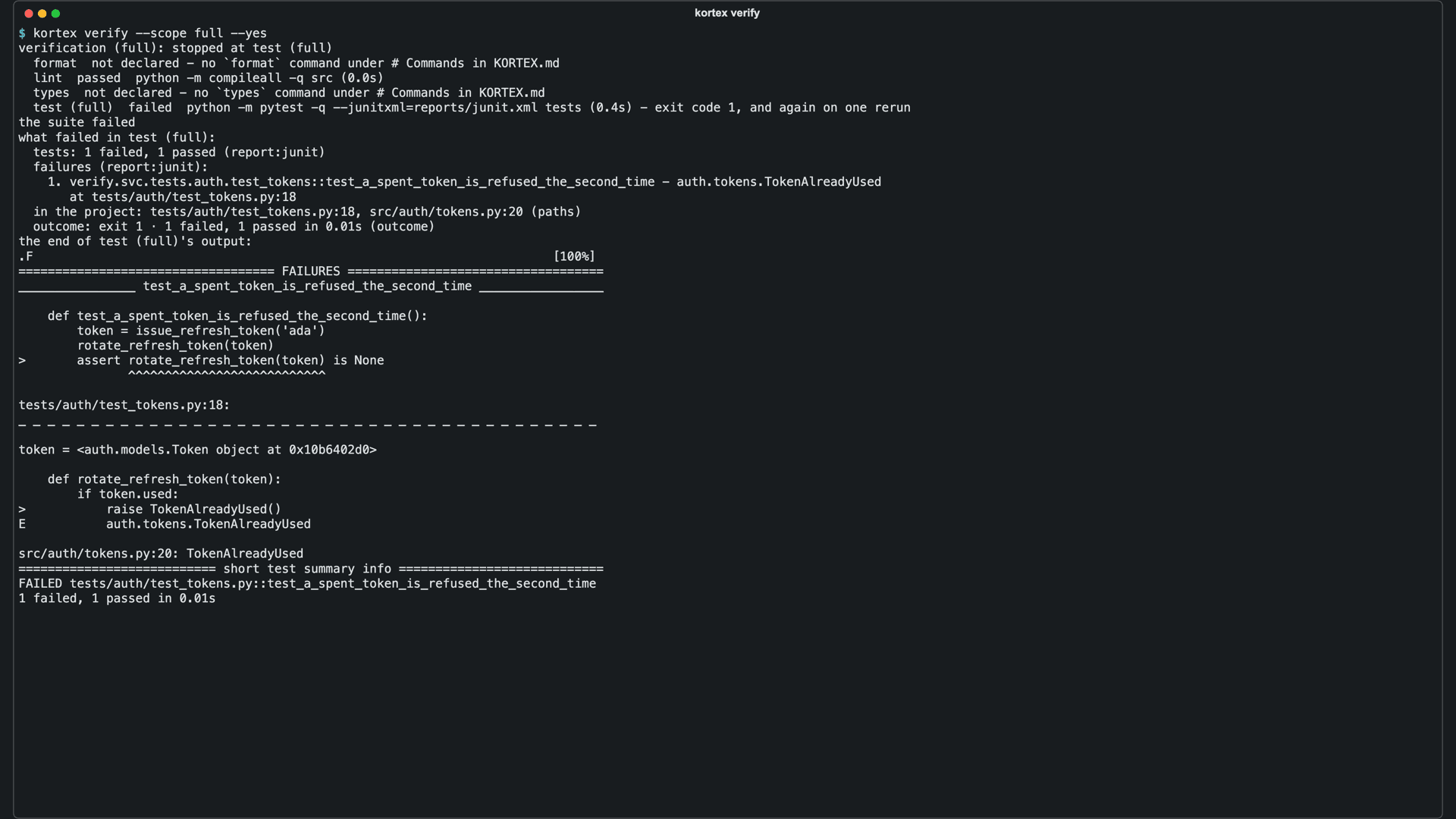
The proofThe project's own checks run cheapest first, and the failing test is read from its JUnit report instead of guessed from the output. 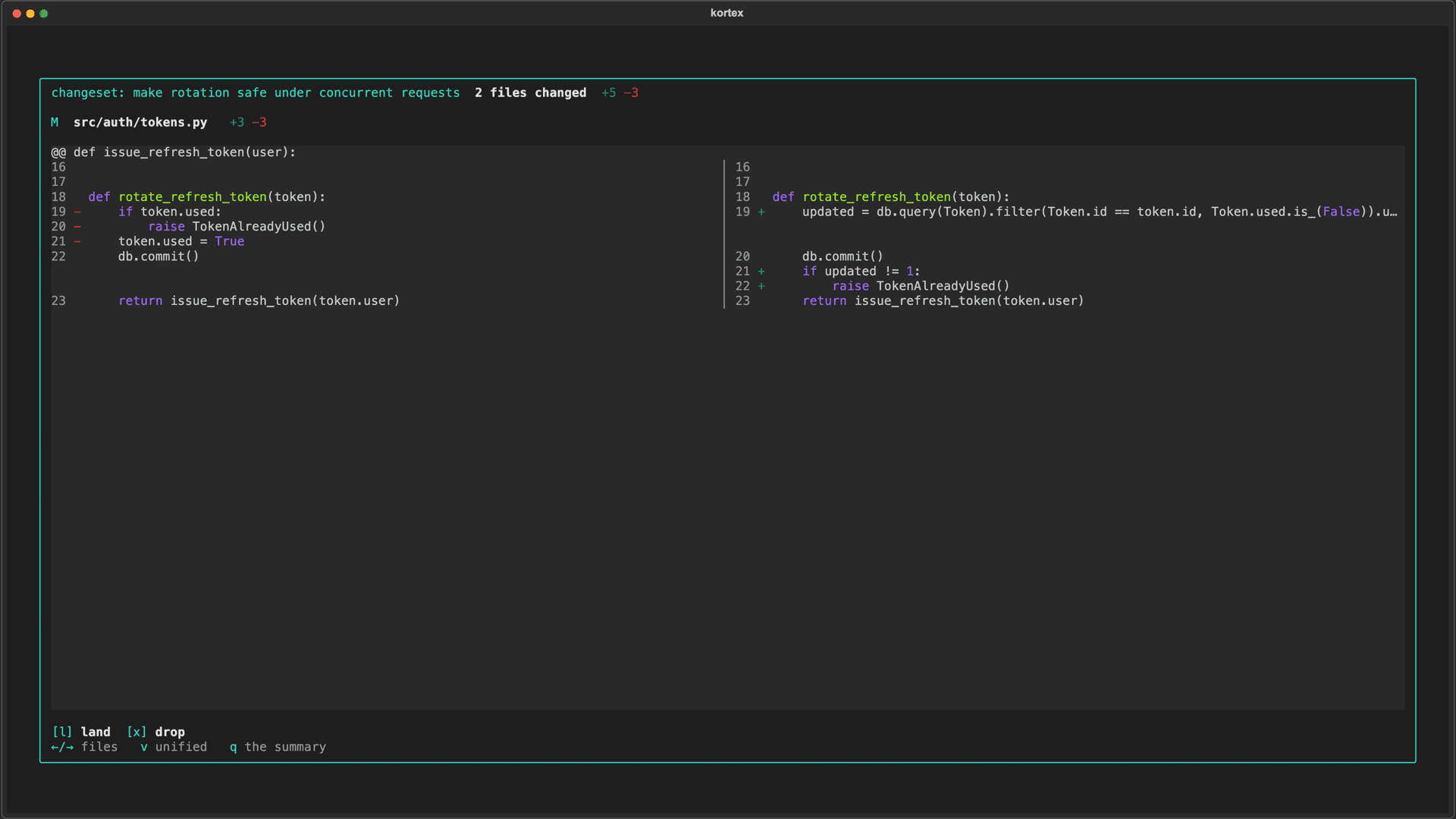
The changeThe fix is staged in its own worktree as one changeset, verified there, then landed or dropped as a whole. 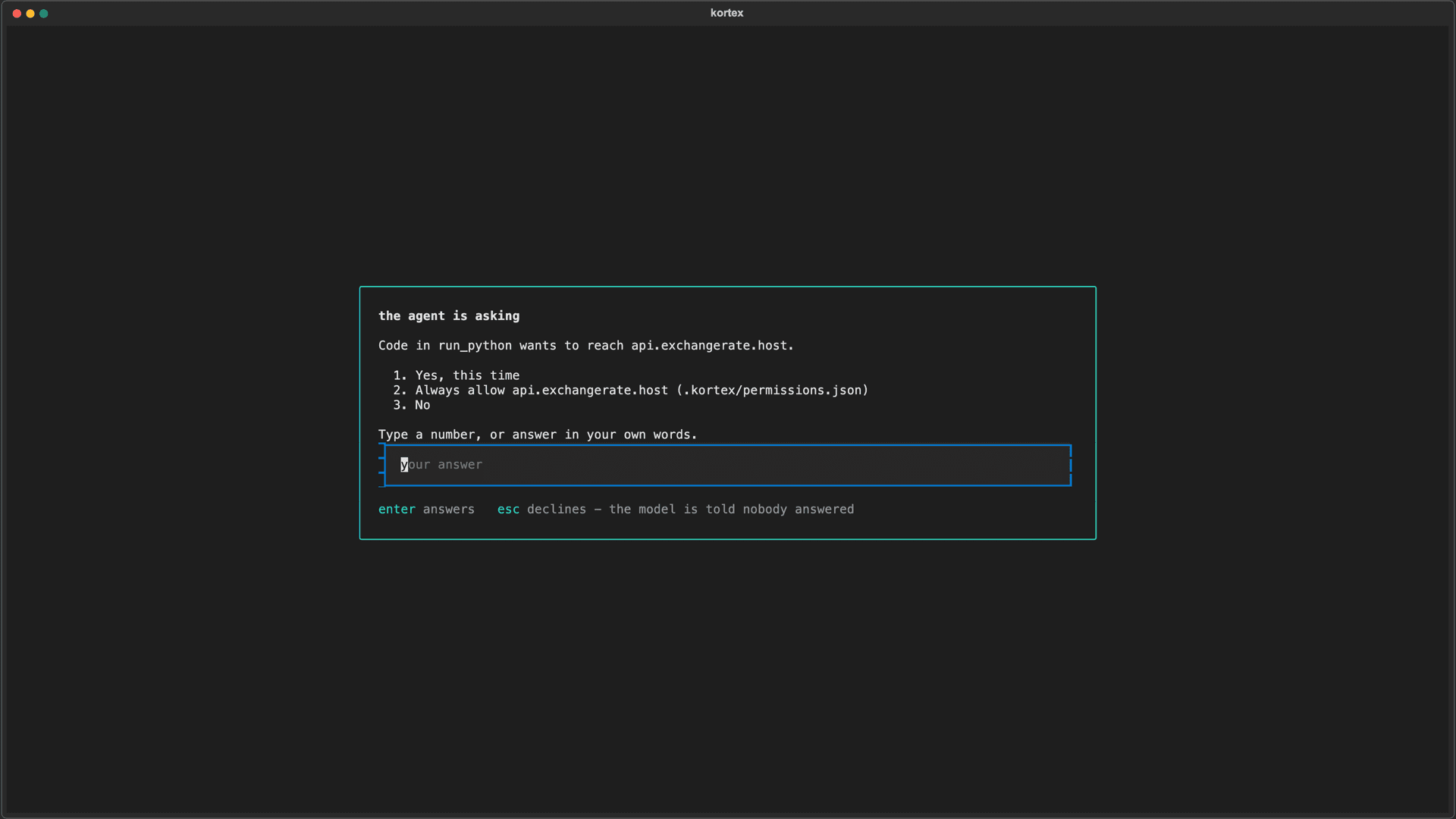
The boundaryCode that wants to reach a host has to ask first: this time, always, or no.
ACT III — THE NUMBERS
66/70
HARD INCIDENT CASES PASSED ON A 27B MODEL
6,563
TESTS
60 s
MEDIAN FROM EVIDENCE TO A TESTED FIX AND A PR
The engine runs today on any model, local or hosted: a regression search that bisects to the breaking commit, changesets verified before they land, persistent jobs, record and replay, and one egress policy at every exit. The Investigator already turns an incident into a report with a closed outcome, decided in code rather than by the model. Next is the Remediator: the patch and the draft PR, only where every gate passes.
NEXT FILM
Design Editor